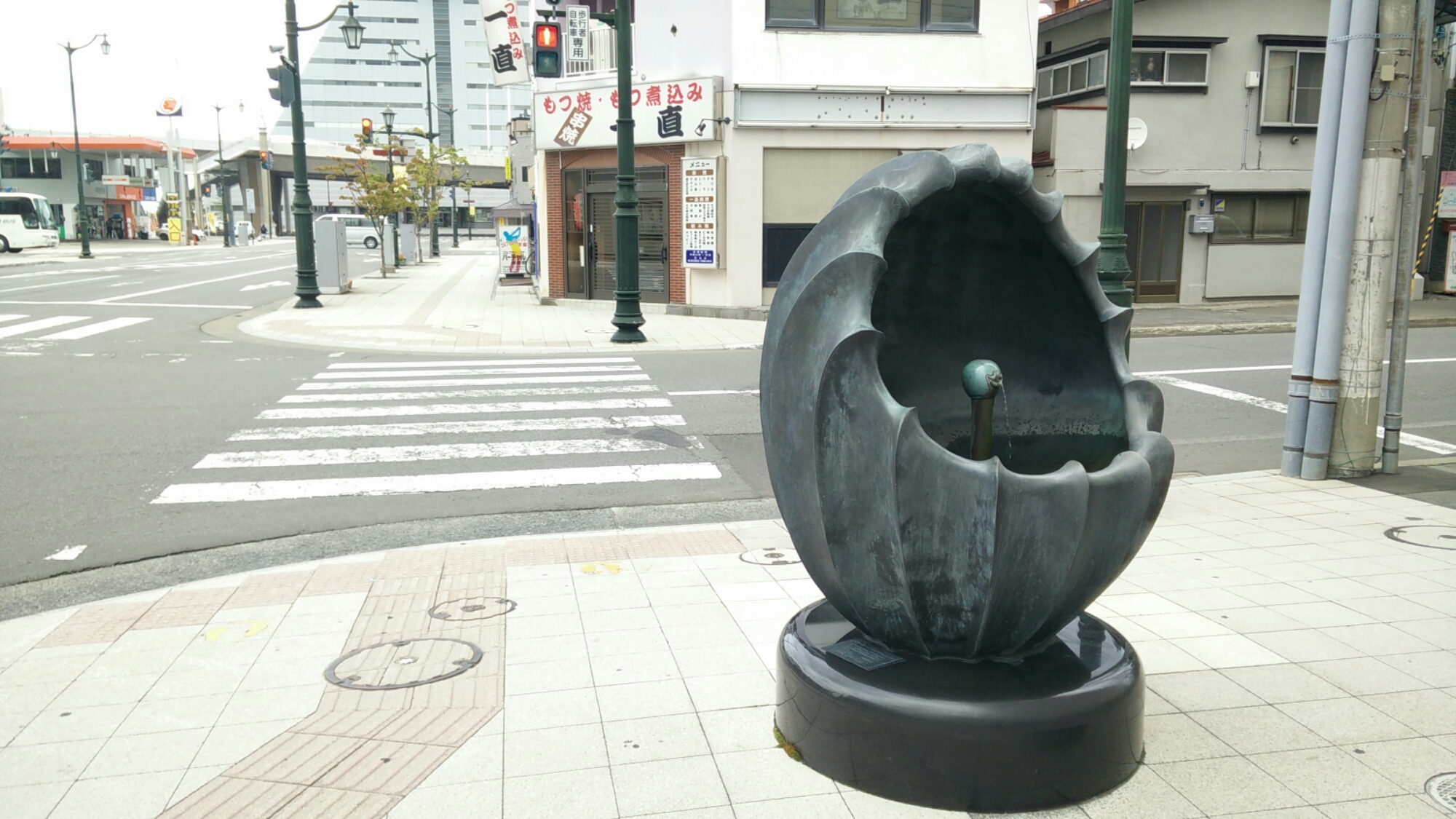
I got off the Shinkansen in Shin-Aomori, and down onto the local train to make the ride into the city proper. The new train was packed, and trundled, barely breaking a walking pace into Aomori station proper, through what seemed to be disused car parks and people’s backyards. Off the train, there was an immediate slightly foul smell of salt water, and a cool to the air that was refreshing after a summer spent in Kyoto. I walked up past the local museum, a big flashy piece of modern architecture with scarlet ribbing. Beyond it was the sea, black and viscous, with the hills of the two northernmost penninsulas off in the distance. Aomori is the most northern town of any size in Honshu, but getting here, I still felt that the real north lay somewhere further, up in those hills.
My hotel was a 15 minute walk from the station, past a lot of other hotels & seafood restaurants along a couple of major roads. Aomori feels like a city that is expecting to receive visitors, with wide streets and low, slightly weather-beaten buildings running parallel to the coast. The only fast food chain was a Yoshinoya, but there was a Starbucks, in the first floor of an old-fashioned department store. A little inland, where I found my archive, the sea no longer felt so close at hand, and the main geography was the hills ringing the city to the south.

I liked Aomori very much, but after a couple of days the excitement had worn off and the appeal of those 2 or 3 streets in the centre had become a bit of a drag. My plan was to ride south along the coast to Akita, stopping on the way in Kuroishi, a small town that I’ve read and written a fair amount about, but never visited. On the map Akita and Aomori seem close, the two main modern towns in the north-west. But whilst there is a train line between them, the Ou line, trains that go the whole way from one to the other aren’t that common, and their timing obeyed no obvious logic that I could discern.

I took the Ou line first to Hirosaki, where a separate railway runs to Kuroishi. The landscape was a vast plain of rice fields and fields of low growing apple trees, many of the apples individually wrapped while still on the tree. Off to the right was Iwaki san, a mountain, hazy, with clouds clustered around its shoulders. After my brief side track into Kuroishi, I got back on the main line and beyond Hirosaki, the line ran into the hills.
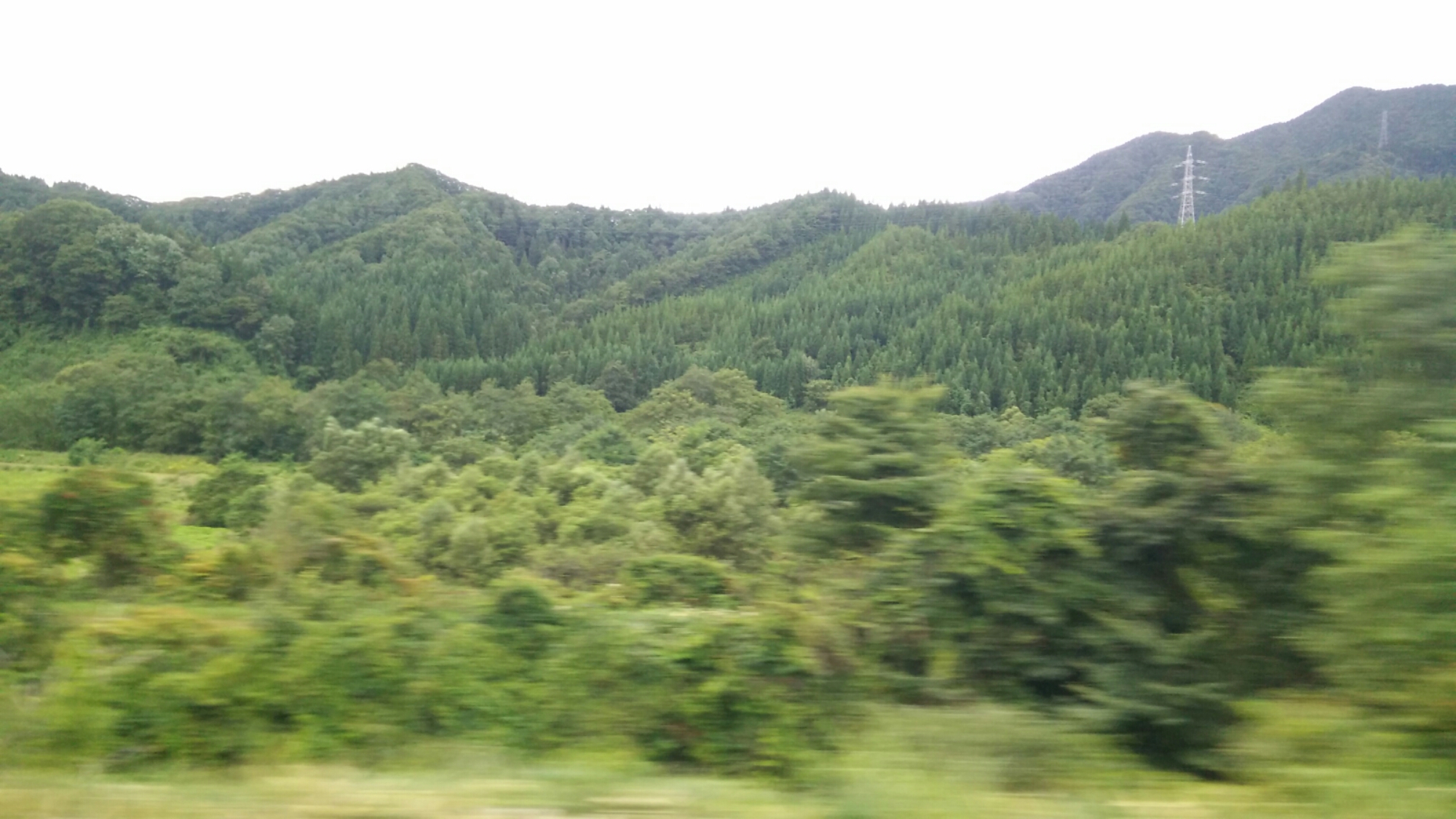
It was a slow train, in no hurry to get to Akita, with a mix of people like me making the whole journey from regional capital to regional capital, and others, school kids, business people, OAPs, using it as a local, going home from school, nipping the the next town, who knows what. As we headed towards Akita, the scenery was still resolutely agricultural, fields, rivers, and hills in the distance. Up in the north the rice seems to be a yellow-green, paler than the rich green down around Kyoto, and there were crows perched on poles, egrets and herons pacing the banks of the fields, occasionally a buzzard drifting low over the fields.

The middle of Akita itself, when we got there, was swankier than Aomori: a more stylish station, newer shops, more buildings like Aomori’s museum, and the feeling that it was more akin to the centre of Kyoto than its neighbour in the north. The middle of town doesn’t feel like it’s a coastal town – the port Tsuchizaki is a train stop further north, and even there you have to look to find the water. As I wandered out of the station, a small anti-government march was warming up. It was an older crowd than those I’ve seen through social media, with a slightly tired call & response, ‘kempo mamore’, and ‘zettai hantai’, as they slowly but inexorably worked their way through the streets.

Now, another day later, I’m on another train line – the Akita Shinkansen – back from Akita to Sendai and the south. As bullet trains go, it seems slow, but as it winds its way through the mountains it has better views than the Tohoku shinkansen, which is hemmed in by towns and noise-reducing barriers. The views come in flashes – a mountain stream, a waterfall, a view down the valley, and then back into a tunnel, or a forest. At one point we waited for a few minutes for a train to come the other way down what turned out to be a stretch of single track. As we waited, there were waves of dragonflies playing about the window.

In the midst of all these trains, I’ve also spent some time in the archives – two days here, a day there, and then in Akita, three different sites in one day, including by far the most productive time I’ve ever used microfilm (is it usual for them to have a ‘print screen’ function? That was a pleasant surprise).
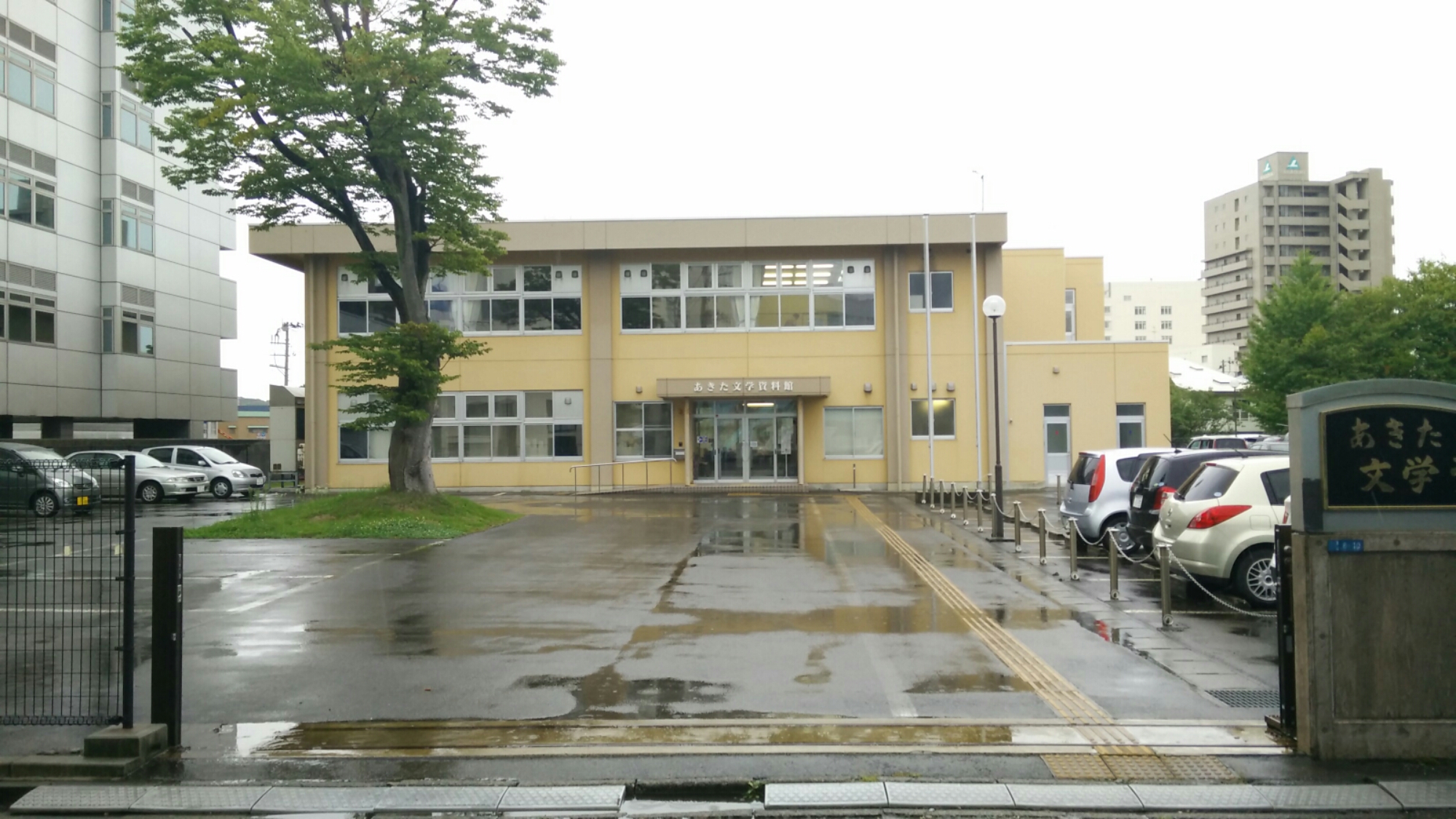
Different scholars work in different ways – I think some don’t really venture out of the major central libraries & archives, but I have always found coming out to these small local places to be a (tiring, disorientating, and uncertain, but ultimately) rewarding experience. You go out not really knowing what you’re going to find, but hopefully it will be something. And there’s some value in seeing first hand the setting for some of the history you write (I had understood Kuroishi to be a mountain town, it turns out to be in the middle of a broad agricultural plain – off I go to do a bit of editing…). The Japanese bureaucracy often involves dealing with a myriad of different forms, sometimes fairly counterproductively, and occasionally it feels as though the archives are not there to be actually used, but for the most part once I turn up and I suppose seem harmless and hopefully serious, people have almost always proven very accomodating. Last night, word got around about my presence, and I was ambushed by the leading local scholar of what was looking at, resulting in three more books to post home, and a very pleasent dinner.
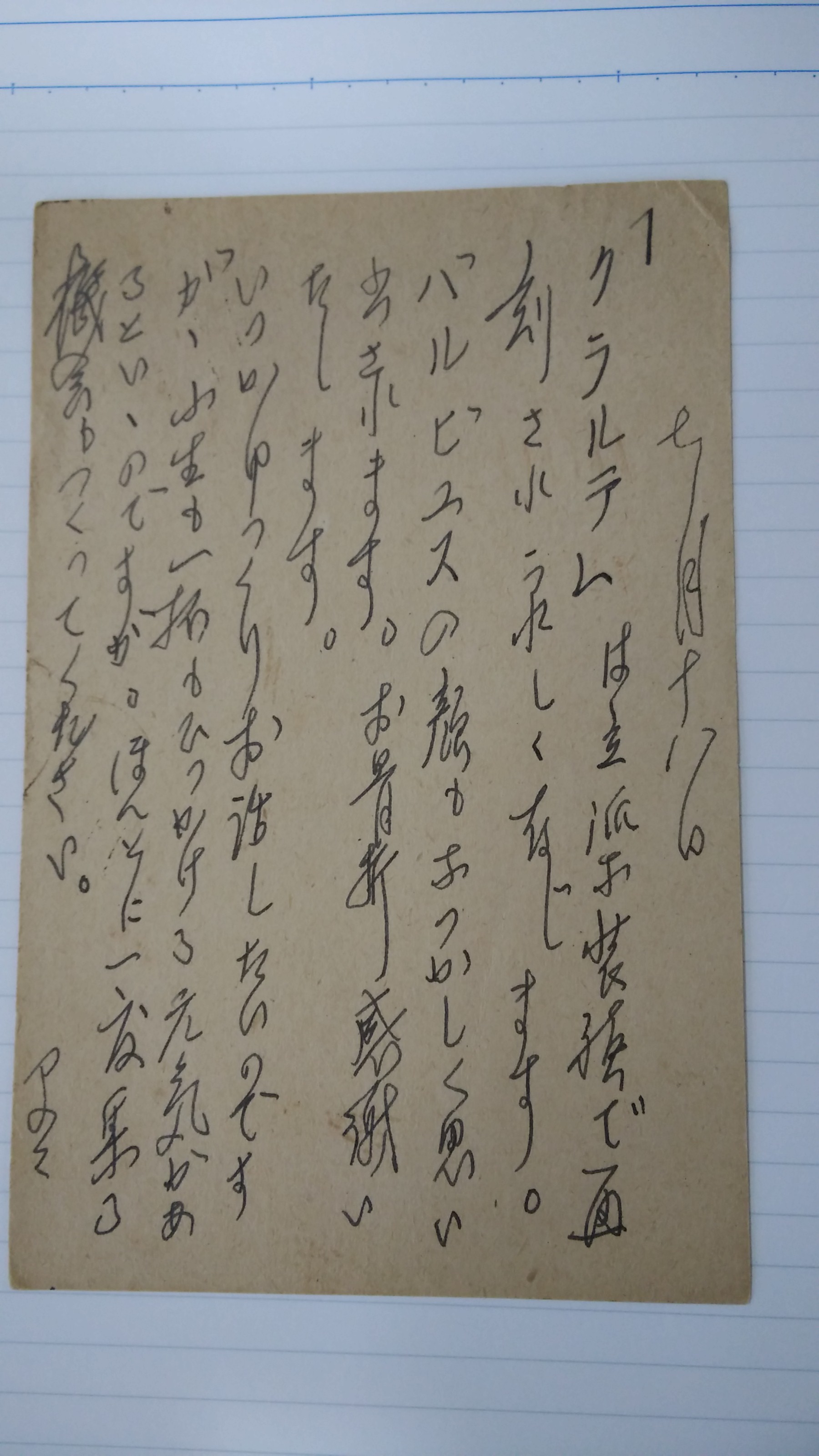
I’m almost out of clean clothes, and definitely out of long sleeved shirts, so it’s a good time to be leaving the north. I had one fairly powerful wave of homesickness the other night, so I’ll be happy to be back in Kyoto. There’s just the possibility of a quick visit to one last archive as I pass through Tokyo en route…
I
 Fireflies